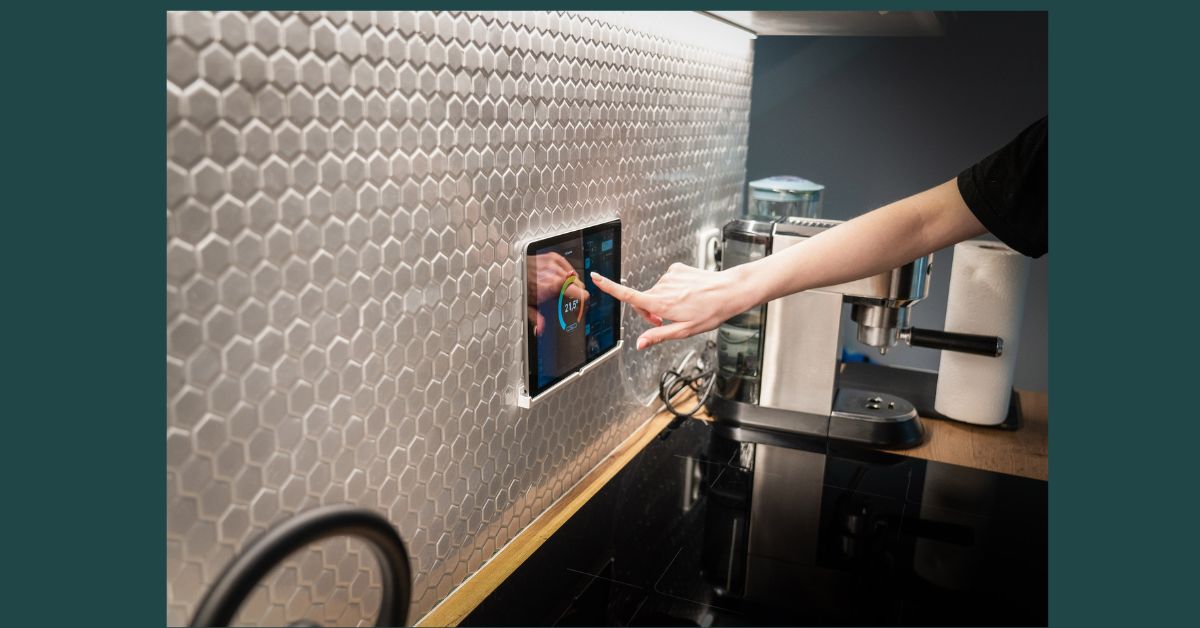
For homeowners in the Chagrin Valley and across Cleveland’s East Side, smart home technology can offer more than convenience. The right systems can improve energy efficiency, enhance security and help protect a home from unexpected problems. For sellers, they can also provide another way to differentiate a property in a competitive market.
The “home of the future” is no longer a futuristic concept. Smart thermostats, video doorbells, remote-access locks and whole-home monitoring have become part of everyday life—and increasingly, they are becoming part of the real estate conversation.
What Counts as a Smart Home?
Smart home technology has evolved well beyond a connected television or voice-controlled speaker. Today’s systems can communicate with one another and allow homeowners to monitor or control many aspects of their property remotely.
Popular features include:
- Security and access: Video doorbells, security cameras, smart locks and motion-activated lighting.
- Energy efficiency: Smart thermostats, automated shades, solar technology and energy-monitoring systems.
- Convenience: Automated lighting, smart appliances, irrigation controls and whole-home audio.
- Home protection: Water-leak sensors, automatic water shut-off valves, sump pump monitoring and indoor air-quality systems.
The most useful technology is often the technology homeowners don’t have to think about. A leak detector that alerts you to a problem while you’re away or a thermostat that adjusts automatically can provide meaningful peace of mind.
Are Buyers Starting to Expect Smart Features?
Not every buyer will put smart technology at the top of a wish list, but connected-home features are becoming increasingly familiar.
For some buyers, the appeal is convenience. They may appreciate being able to adjust the temperature before arriving home, check a security camera while traveling or unlock the door remotely for a family member or service provider.
For others, the benefit is security and protection. A smart water shut-off system or leak detector, for example, may be far more valuable to a homeowner than a sophisticated entertainment system.
The important distinction is that smart technology should enhance the way people live in a home—not simply be technology for technology’s sake.
Does Smart Technology Increase a Home’s Value?
This is where homeowners should be realistic.
Installing a collection of expensive smart devices does not automatically mean a home will sell for more. Buyers have different priorities, and technology can become outdated more quickly than traditional home improvements.
However, thoughtfully selected and professionally installed systems can make a property more attractive. Energy-saving features may offer ongoing financial benefits, while security and water-monitoring systems can provide protection that buyers can appreciate.
In my experience working with buyers and sellers in the Chagrin Valley, the strongest selling point is not necessarily the number of smart devices a home has. It is how well the technology fits into the overall property and improves the homeowner’s experience.
Selling a Smart Home? Make the Technology Part of the Story
Smart features can be difficult to photograph. A thermostat or electrical panel isn’t exactly a show-stopping listing photo. That means sellers need to make sure these improvements don’t get overlooked.
When I market a home, I look for features that distinguish the property from its competition. Smart technology can be incorporated into the listing description, property feature sheet, digital marketing, social media and conversations during showings.
If a home has a whole-home automation system, smart security, integrated lighting or a water protection system, buyers should understand what it does and why it matters. It is also important to provide documentation and clearly identify which equipment will remain with the property.
Don’t Forget the Digital Handoff
Smart homes introduce one issue that traditional homes don’t: the technology has accounts, passwords and connected devices associated with it.
Before closing, sellers should make sure personal accounts and information are removed from systems being transferred. Buyers should receive the appropriate instructions, manuals, access information and equipment needed to operate the technology.
It is worth addressing these details before closing rather than leaving them for the last minute.
What Should Buyers Look For?
If you’re purchasing a home with smart technology, don’t focus only on how impressive the devices appear.
Ask:
- Is the technology still supported by the manufacturer?
- Are subscriptions or monthly fees required?
- Will the equipment transfer with the property?
- Is the system compatible with other technology you already use?
- How difficult or expensive would it be to replace or upgrade?
- Does the home have the electrical and internet infrastructure to support future technology?
A home doesn’t have to be completely automated to be considered “future-ready.” Sometimes the most valuable feature is simply having the infrastructure in place to accommodate technology as your needs change.
Smart Technology Is Only One Piece of the Real Estate Puzzle
Technology is changing how we live in our homes, but it doesn’t replace the fundamentals that determine a property’s appeal and market value.
Location, condition, floor plan, schools, lot, architectural character and price still matter enormously. Smart technology is an enhancement—not a substitute for getting the fundamentals right.
For sellers, the key is knowing which features will actually resonate with buyers in your market and presenting them as part of the home’s overall value.
For buyers, it’s about looking beyond the gadgets and determining whether the technology will genuinely make the home more comfortable, efficient and secure.
As a Chagrin Valley Realtor with extensive experience marketing homes throughout Cleveland’s East Side, I help homeowners identify the features that matter to today’s buyers and develop a marketing strategy that showcases a property’s full value.
Thinking about selling a home in Chagrin Falls, Bainbridge, Auburn Township or the surrounding Chagrin Valley? Let’s talk about how to position your home for today’s market.
Comments are closed